
How to Reduce Home Decor Import Costs From China
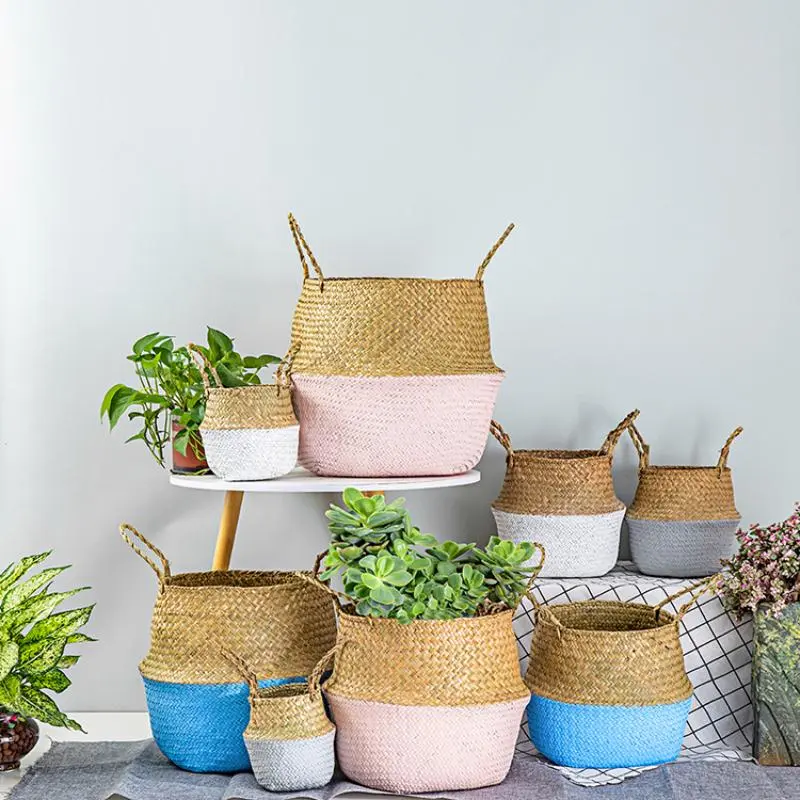
Importing home decor from China can offer competitive manufacturing costs, but the factory unit price is only one component of the final import expense. How to Reduce Home Decor Import Costs From China explains how brands, retailers, wholesalers, and e-commerce businesses can lower total landed cost while maintaining product quality and market compliance.
The guide covers the major factors affecting home decor import costs, including supplier selection, ODM versus OEM sourcing, product complexity, MOQ, packaging, carton utilization, quality control, testing, certifications, freight, trade terms, and shipment consolidation. It explains why choosing the cheapest factory does not necessarily produce the lowest overall cost and shows buyers how to compare suppliers using a complete cost structure.
The article also provides practical strategies for reducing MOQ pressure, simplifying product specifications, improving packaging efficiency, negotiating volume pricing, reducing defective products, and planning compliance before mass production. It covers important China manufacturing regions, sourcing channels such as Alibaba and Global Sources, and major home decor trade shows.
For companies sourcing rattan, woven, textile, ceramic, wooden, wall art, lighting, and other home decor products from China, this guide provides a practical framework for calculating landed cost and building a more efficient long-term sourcing strategy.
OEM Home Decor Manufacturing Guide for Private Label Brands

Private-label brands need more than a catalog supplier when developing customized home decor products. This OEM Home Decor Manufacturing Guide explains how brands can source custom home decor from China, from product concept and technical specifications to sampling, production, quality control, compliance, and shipment.
The guide explains the difference between OEM and ODM manufacturing and shows when each model may be appropriate. It covers common OEM categories including rattan and woven home decor, seagrass baskets, wall art, textiles, ceramics, wooden products, mirrors, and decorative lighting. It also explains what buyers should include in an OEM RFQ, including drawings, dimensions, materials, finishes, packaging, branding, quantity, and target-market requirements.
Private-label buyers will also find practical guidance on evaluating Chinese manufacturers, comparing quotations, understanding MOQ, calculating landed cost, approving samples, protecting product designs, and establishing quality-control standards. The article also discusses destination-market compliance, testing, labeling, FSC, REACH, textile requirements, and other documentation considerations.
For brands planning to launch or expand a private-label home decor collection, this guide provides a structured sourcing workflow from the initial product idea to finished commercial inventory.
How Boutique Hotels Choose Decorative Wall Art Suppliers
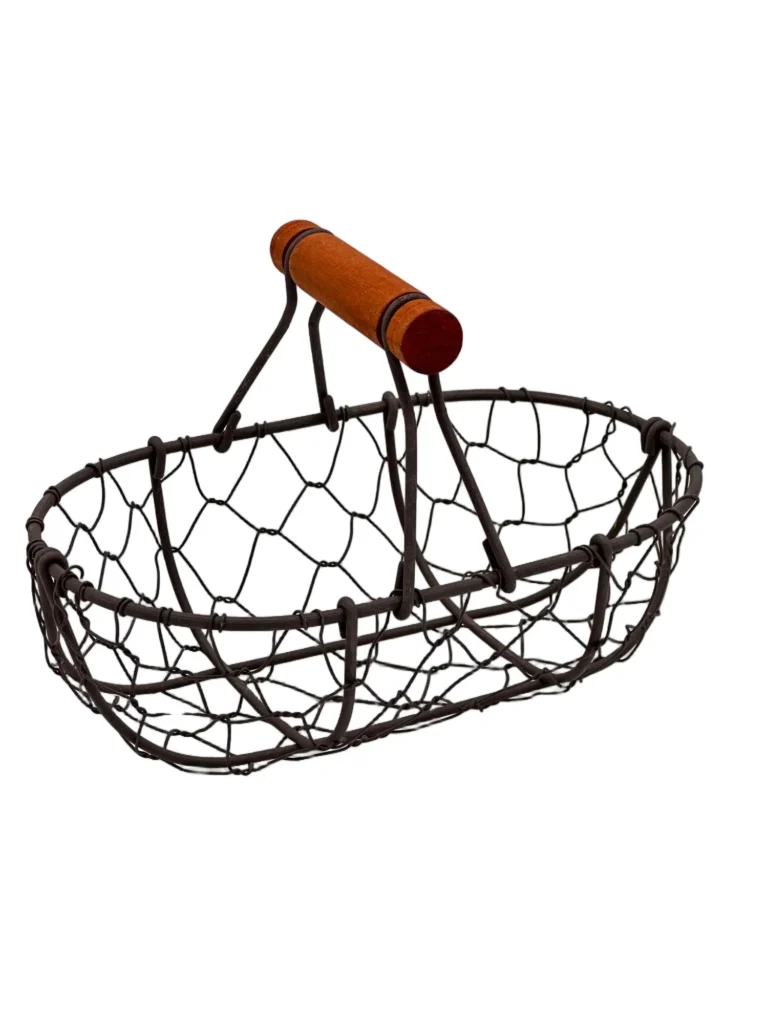
Choosing the right decorative wall art supplier is an important part of boutique hotel procurement. Hotels need artwork that complements their interior concept while also meeting commercial requirements for consistent quality, repeat production, packaging, delivery, and installation. This guide explains how boutique hotels, interior designers, and hospitality procurement teams can source wall art at scale, including canvas prints, framed artwork, botanical prints, photography, decorative mirrors, woven wall decor, wooden wall art, and other decorative pieces. It covers how to create a clear wall art specification, identify suitable suppliers in China, compare ODM and OEM sourcing models, evaluate samples, negotiate MOQ, and establish quality-control procedures. Buyers will also learn what to include in a supplier RFQ, how to compare quotations using identical specifications, and why packaging and mounting systems should be considered before production. For custom projects, the guide explains how artwork files, dimensions, materials, frames, colors, and finishing requirements can be incorporated into the production process. Whether furnishing guest rooms, hotel lobbies, corridors, restaurants, or other public areas, a structured sourcing process helps boutique hotels achieve design consistency while building a reliable supply system for current and future hospitality projects.
Hotel Soft Furnishing Procurement Guide
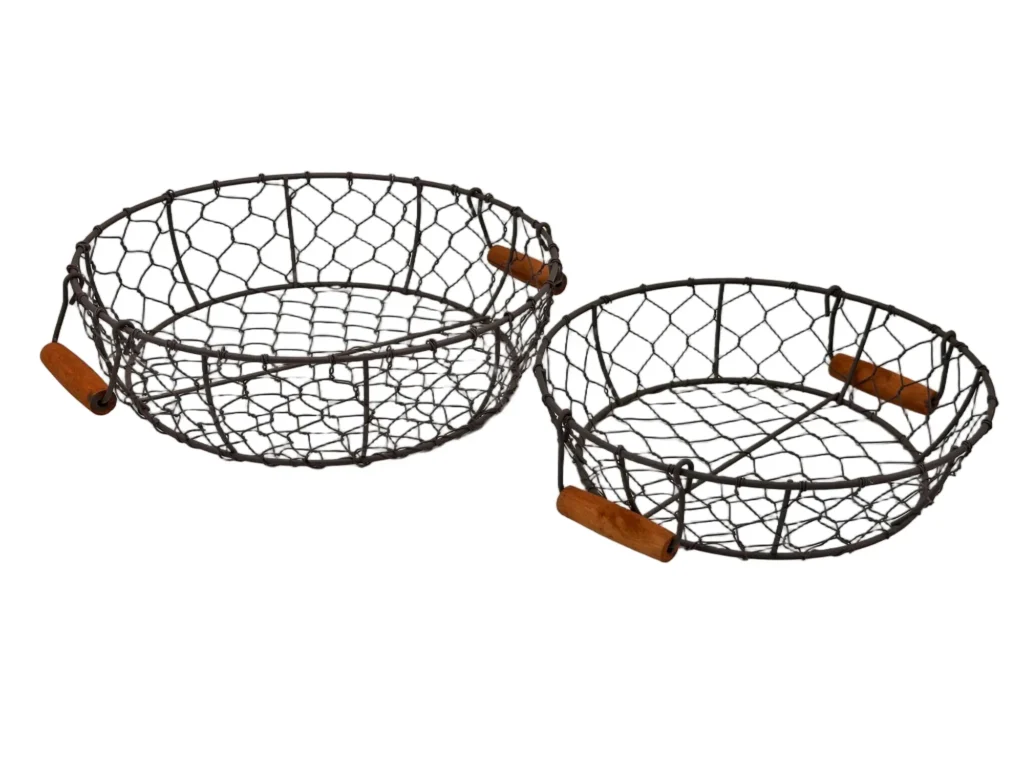
Hotel soft furnishing procurement requires more than selecting attractive decorative products. For hotels, resorts, boutique properties, and hospitality projects, buyers must balance design consistency, durability, customization, quality, compliance, logistics, and total procurement cost. This guide explains how to source decorative products at scale, from cushions, curtains, and bed runners to rattan baskets, seagrass products, trays, planters, and other woven accessories. It covers how to create clear product specifications, evaluate manufacturers and suppliers, compare ODM and OEM sourcing, request quotations, approve samples, negotiate quantities, and establish quality-control procedures. The guide also explains why landed cost matters when comparing suppliers and how packaging, inspection, freight, duties, and delivery can affect the final procurement budget. For natural-material products such as rattan, seagrass, bamboo, and water hyacinth, buyers should also define acceptable variations in color, texture, thickness, and shape before mass production. Whether you are furnishing a new hotel, renovating an existing property, or sourcing decorative products for multiple locations, a structured procurement process can help create consistent specifications, improve supplier coordination, and establish a scalable supply system for future hospitality projects.
Low MOQ Home Decor Supplier
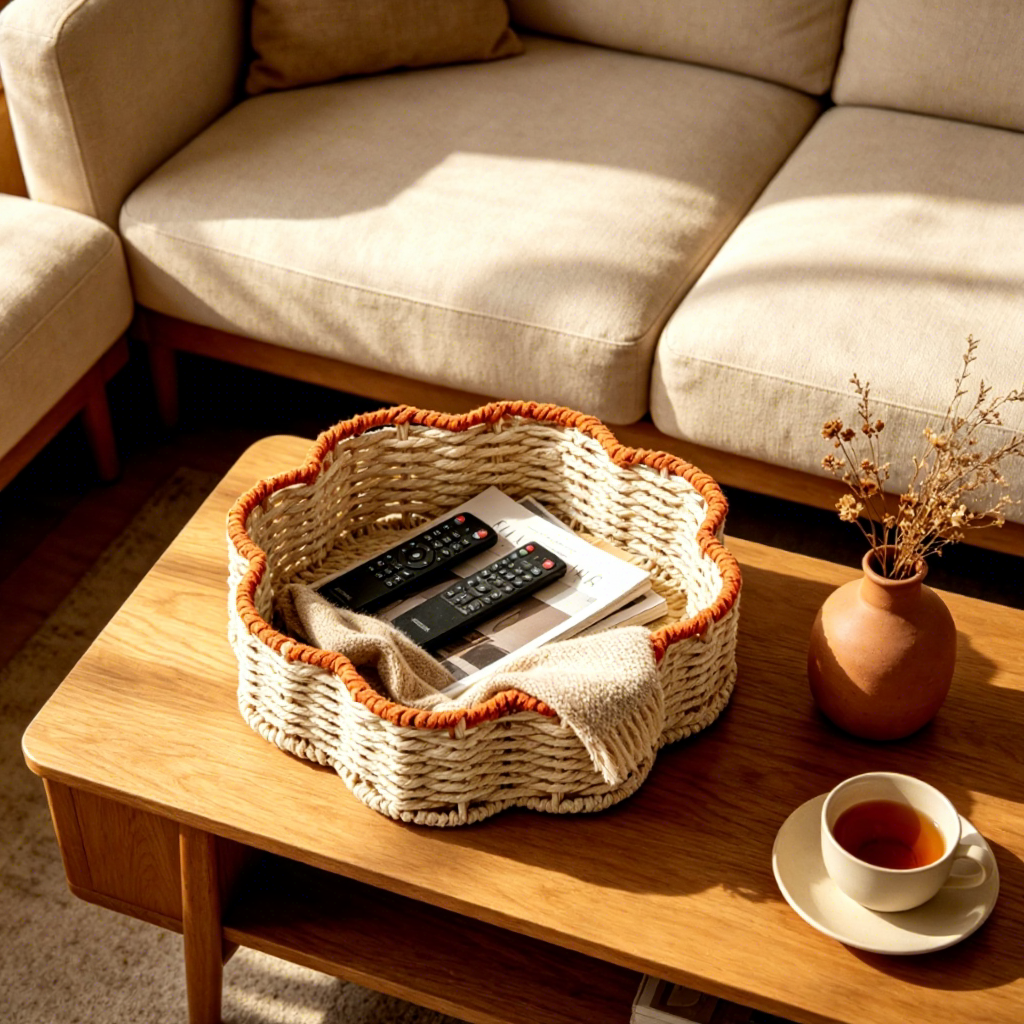
Starting a home decor brand does not require a large inventory investment. Finding a reliable **low MOQ home decor supplier** allows small brands, boutique retailers, and online stores to test products while reducing inventory risk. This guide explains how to source home decor from China with smaller order quantities, including rattan baskets, seagrass products, woven storage, textiles, ceramics, and decorative accessories. Learn how to find suitable suppliers, compare ODM and OEM options, negotiate lower MOQs, order samples, calculate landed costs, manage quality control, and understand basic compliance requirements. Whether you are launching your first collection or testing new products, a low MOQ sourcing strategy can help you start small, validate market demand, and scale successful products with greater confidence.
Home Decor Wholesale Buying Guide for Retail Stores

1. Define Your Retail Store’s Home Decor Buying Strategy Before contacting a wholesale home decor supplier, retailers should establish a clear purchasing strategy. A common mistake is to begin sourcing by asking suppliers for product catalogs without first defining what the store actually needs. This can result in too many product choices, inconsistent collections, and […]
How Overseas Buyers Source Home Decor Products From China

Learn how overseas buyers source home decor products from China, including supplier selection, OEM customization, MOQ, quality control, and import strategies.
2026 Home Decor Procurement Trends
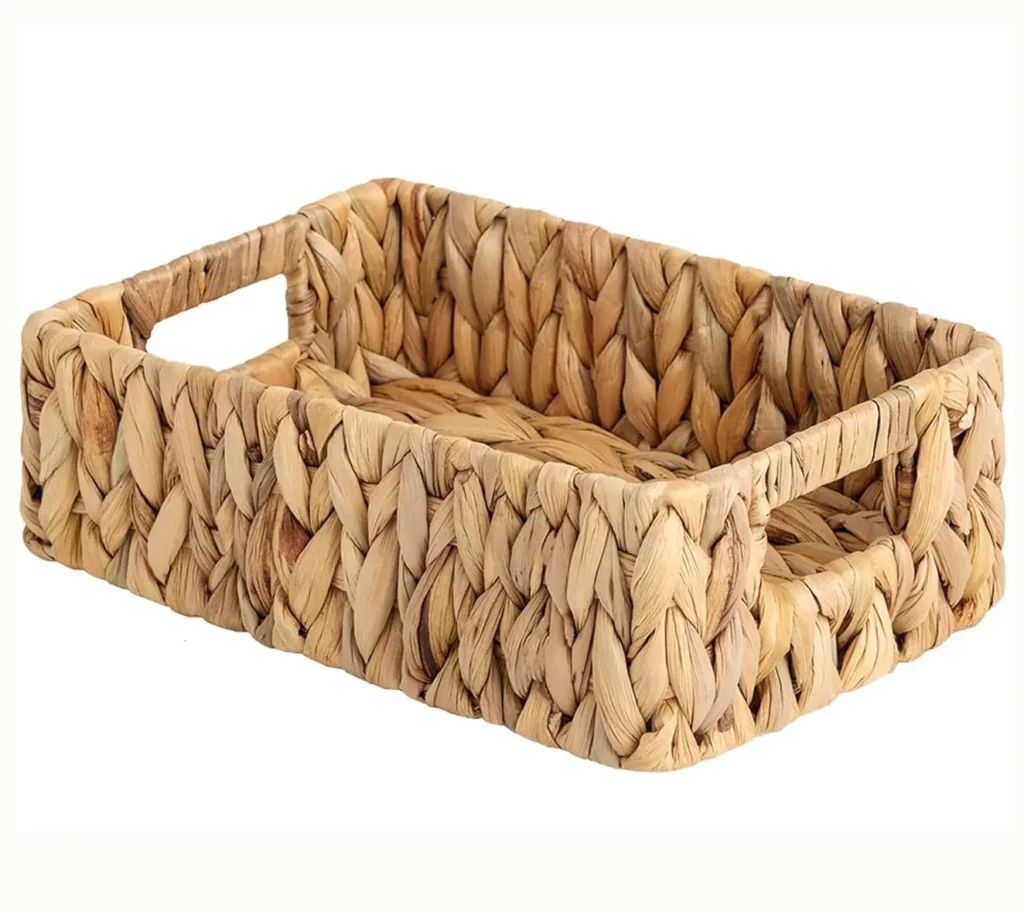
Discover the top 2026 home decor procurement trends global buyers should prepare for, including sustainable sourcing, OEM customization, supplier selection, and import strategies.
4 Hot Tips on Buying Home Decor from China
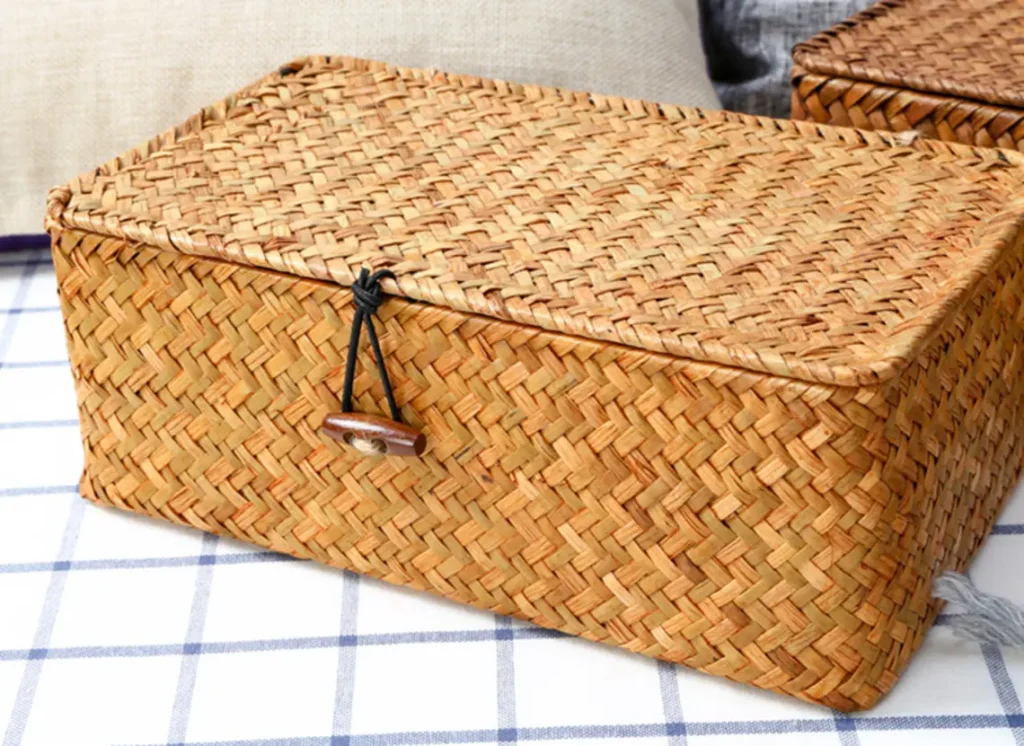
Home decor has become an increasingly important part of how people personalize their living and working spaces. It can not only enhance the aesthetic of any room at any time, but also create a desired atmosphere — cozy, modern, rustic, or minimalist.
Home Decor Manufacturers in China: A Complete Guide

Home decor manufacturers in China tend to specialize in specific niches. While they may cover one or more categories, you should only look for suppliers that are making your type of home decor items.