
Home decor has become an increasingly important part of how people personalize their living and working spaces. It can not only enhance the aesthetic of any room at any time, but also create a desired atmosphere — cozy, modern, rustic, or minimalist.
In the office, well-chosen decor can keep employees inspired and more focused. There is a wide variety of home decor on the market. How to make a decision to buy the most suitable pieces? You can refer to the following four points.

1. Set requirements for home decor
There are three factors to consider when choosing home decor: design quality, durability, and price. The specific choice depends on which factors you pay most attention to.
High‑end home decor (e.g., solid wood wall art, handcrafted ceramic vases, designer mirrors) often costs hundreds of dollars, and to achieve a strong visual impact, such pieces usually have a certain “presence” — larger size, heavier weight, or intricate detailing.
Lightweight, inexpensive decor (such as polyester cushion covers or mass‑produced plastic ornaments) often struggles to deliver the same lasting beauty or material quality. If you look at the most budget‑conscious models, you may have to sacrifice visual richness and longevity.
2. Understand the main home decor styles
When transforming a space, we categorize home decor into two main pillars: The first major distinction is between natural and modern/industrial styles.
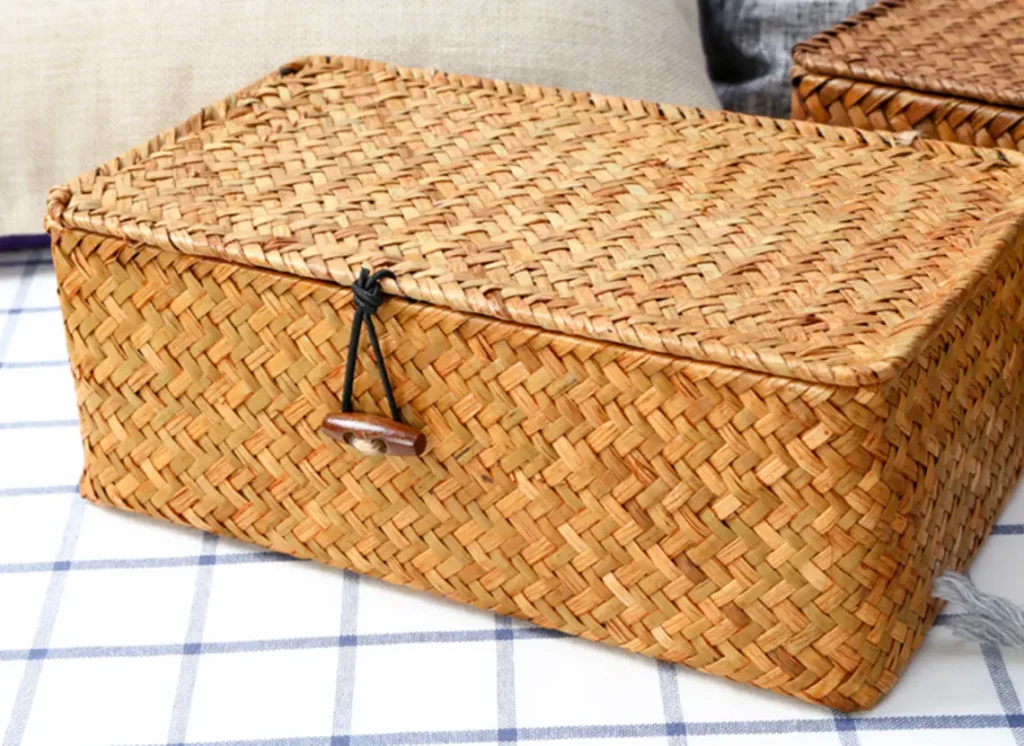
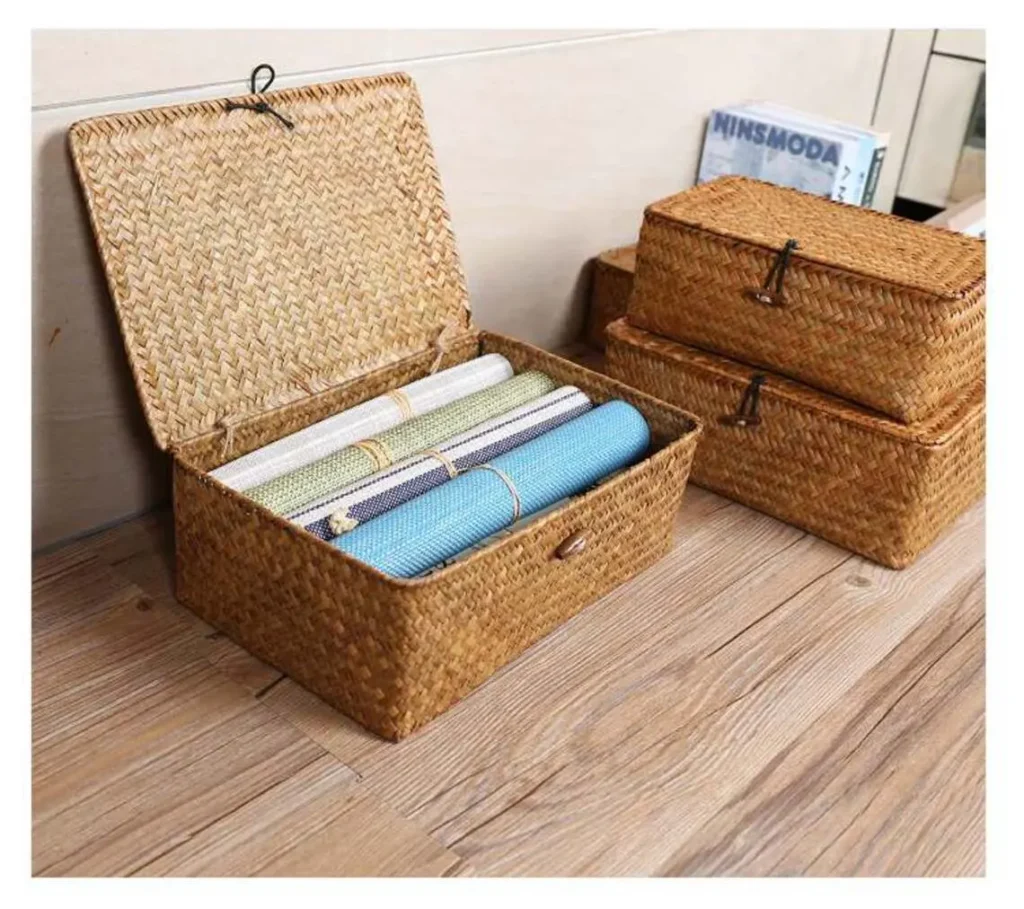
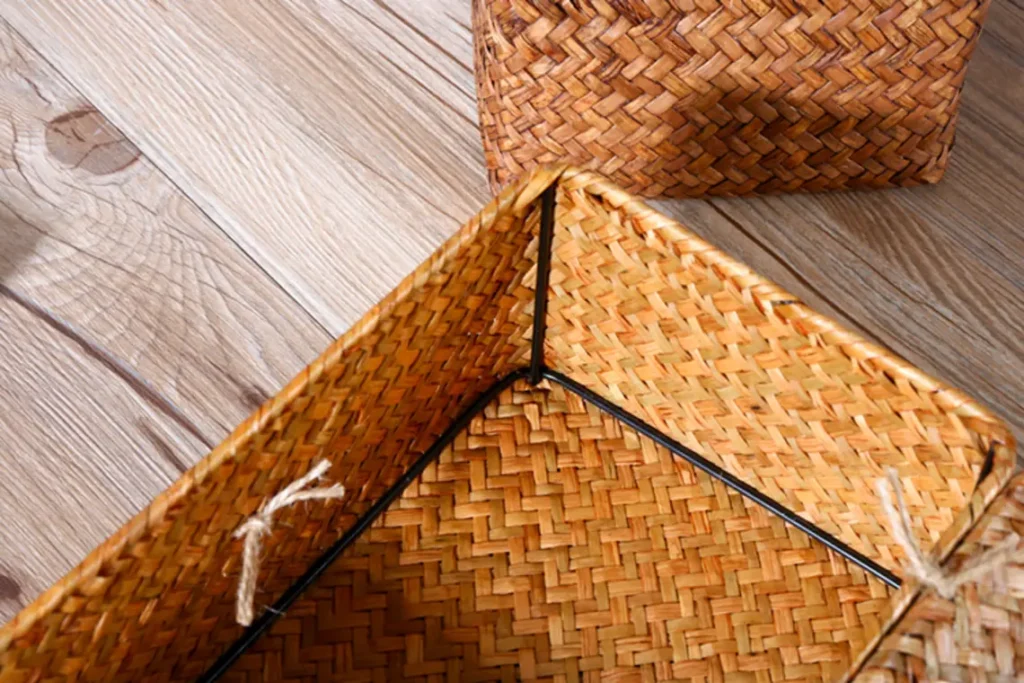
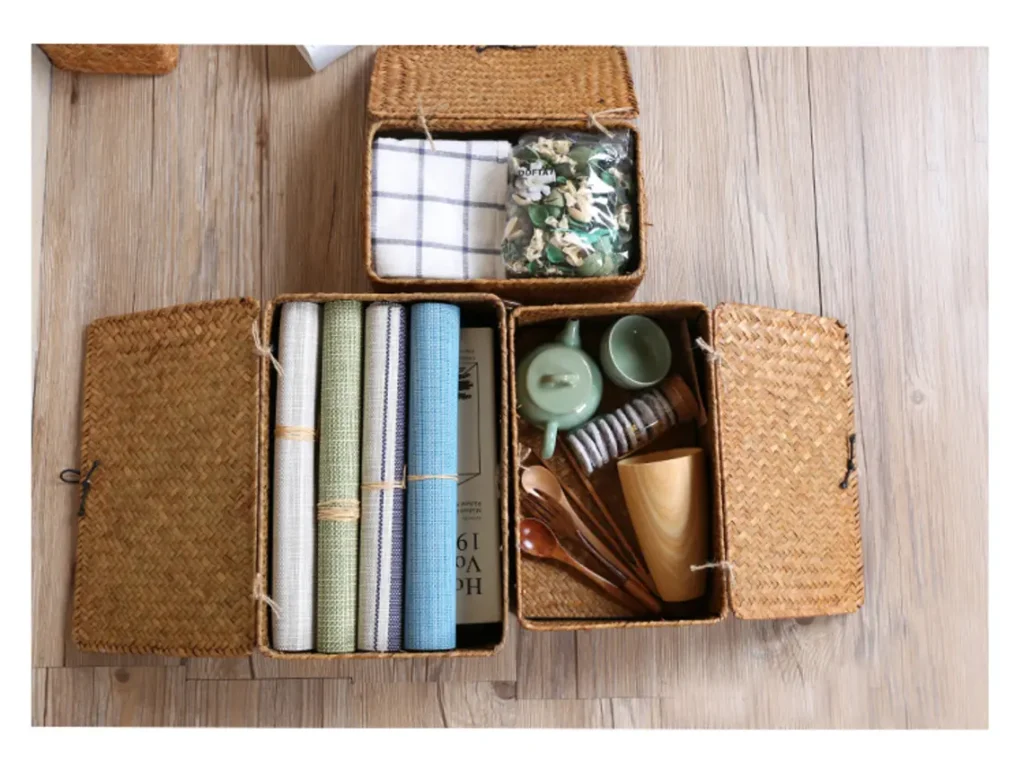
Natural style (e.g., wooden frames, rattan baskets, stone ornaments, dried flowers) tends to create a warm, organic feel. It works well in living rooms or bedrooms but may not suit a high‑tech or minimalist office environment.
Most home decor today falls into several popular categories: modern minimalist, Scandinavian, rustic farmhouse, industrial, bohemian, and classic/traditional. Each has distinct characteristics in terms of materials, colors, and shapes.
When mapping out a space, we group home decor into three main categories by type and placement.
- Wall decor: includes framed prints, canvas art, mirrors, clocks, and wall shelves. These pieces cover the whole wall area and are large enough to become a focal point, providing a strong visual anchor for the room.
- Tabletop & shelf decor: includes vases, figurines, candle holders, trays, and books. These are relatively small but add personality to desks, mantels, and side tables — sometimes sacrificing visibility for subtlety.
- Soft decor: includes cushions, throws, rugs, and curtains. The biggest feature of this type is its comfort and ability to change the room’s texture and color scheme easily. Because of the soft materials, it often cannot provide the same permanent structure as hard decor.
When placing soft decor items in high-traffic areas, you must consider regular cleaning. For a better visual experience, some need regular fluffing or dry cleaning, which reduces convenience.
Home decor also comes in ready‑made (stock) and custom‑made options. Because craftsmen make custom pieces to order, these items generally offer better material quality and a longer lifespan, though they cost more.
Ready‑made decor is simpler and more affordable, available through online platforms or local stores, but may lack uniqueness. Thanks to improvements in manufacturing and logistics, the quality gap between premium custom decor and budget ready‑made items has narrowed in recent years.
3. Determine the purpose of the home decor
For the vast majority of people, home decor is not just something to look at — in different situations, the specific requirements differ.
When decorating an office, you must choose professional items that will not distract employees. It should have a clean, modern design that helps create a focused atmosphere while also being pleasant to see throughout the day. It should not have excessive gloss or complicated patterns that cause visual fatigue.
The decor you should choose for a living room or entertainment area is different. Here, statement pieces (large wall art, sculptural vases, decorative mirrors) are more important — they create conversation points and reflect your personal taste.
For bedrooms, comfort and relaxation are key. Soft textiles (linen cushions, cotton throws, blackout curtains) and warm, muted colors work best. Noise‑reducing curtains also help with sleep quality.
Approach this topic with a completely fresh perspective.
Light and durable are the most important when decorating children’s rooms or rental apartments. To avoid damage or loss during moving, users generally choose lightweight, shatter‑resistant decor such as fabric wall hangings, plastic frames, or removable wall stickers.
To protect young children and pets, choose decor featuring non-toxic finishes, rounded edges, and easy-to-wipe surfaces. Many of today’s family‑friendly decor items come with anti‑tip straps or wall‑mounting kits, with instructions to help you install safely.
Another type of highly portable decor is seasonal decor (e.g., Christmas ornaments, Halloween decorations, spring floral arrangements). Manufacturers design these items for easy storage and repeated reuse. The biggest feature of this type is its collapsibility or stackability — free of bulky shapes, but they may have a shorter lifespan and require careful storage.
Outdoor decor (e.g., patio cushions, garden statues, weatherproof signs) depends on different factors. The most visually delicate designs are not a prerequisite for this type. The buyer pays most attention to weather resistance — namely, UV protection, water resistance, and rust‑proofing. Users can tell which pieces will last through seasons by checking material labels (e.g., solution‑dyed acrylic, powder‑coated metal) and react accordingly.
Buyers also pay attention to strong construction that can withstand wind and rain, and clear care instructions (machine‑washable covers, rust‑proof coatings) also help customers maintain the decor over time.
4. Style comparison
Once you set a budget and determine your functional needs, you can easily narrow your choices to a few styles or specific products.
What you can do now is visit interior design websites, home decor blogs, and platforms like Pinterest or Houzz, and read reviews and comments about these decor items to learn about their strengths and weaknesses (e.g., color accuracy, material feel, ease of assembly).
An even more important step is to order samples or visit showrooms to try out the decor pieces in person. As a matter of fact, decorating a home is largely a subjective experience. Everyone’s preferred aesthetic is different. Do not let prior information bias your judgment. Inexpensive decor doesn’t necessarily mean poor taste — a well‑designed $10 vase can look better than a $200 generic one.
Remember, the perfect home decor collection will never just appear out of thin air — you can only find the pieces that work best for you, based on your needs, space, and budget.