
How Overseas Buyers Source Home Decor Products From China
China has become one of the world’s largest manufacturing hubs for home decor products, offering global buyers a wide range of options including woven baskets, decorative lighting, ceramics, wall art, textiles, wooden accessories, and handmade crafts.
However, successful home decor sourcing requires more than finding a supplier with competitive prices.
International buyers need to understand how to identify reliable manufacturers, evaluate product quality, manage customization requirements, confirm compliance standards, and build long-term supplier relationships.
For importers, wholesalers, retailers, and private-label brands, this guide explains the complete process of sourcing home decor products from China.
1. Define Your Home Decor Product Requirements Before Sourcing
The first step in successful home decor sourcing is creating a clear product strategy.
Before contacting Chinese suppliers, overseas buyers should define:
- Product category
- Target customers
- Market positioning
- Expected order quantity
- Target price range
- Design requirements
- Packaging expectations
Common home decor categories sourced from China include:
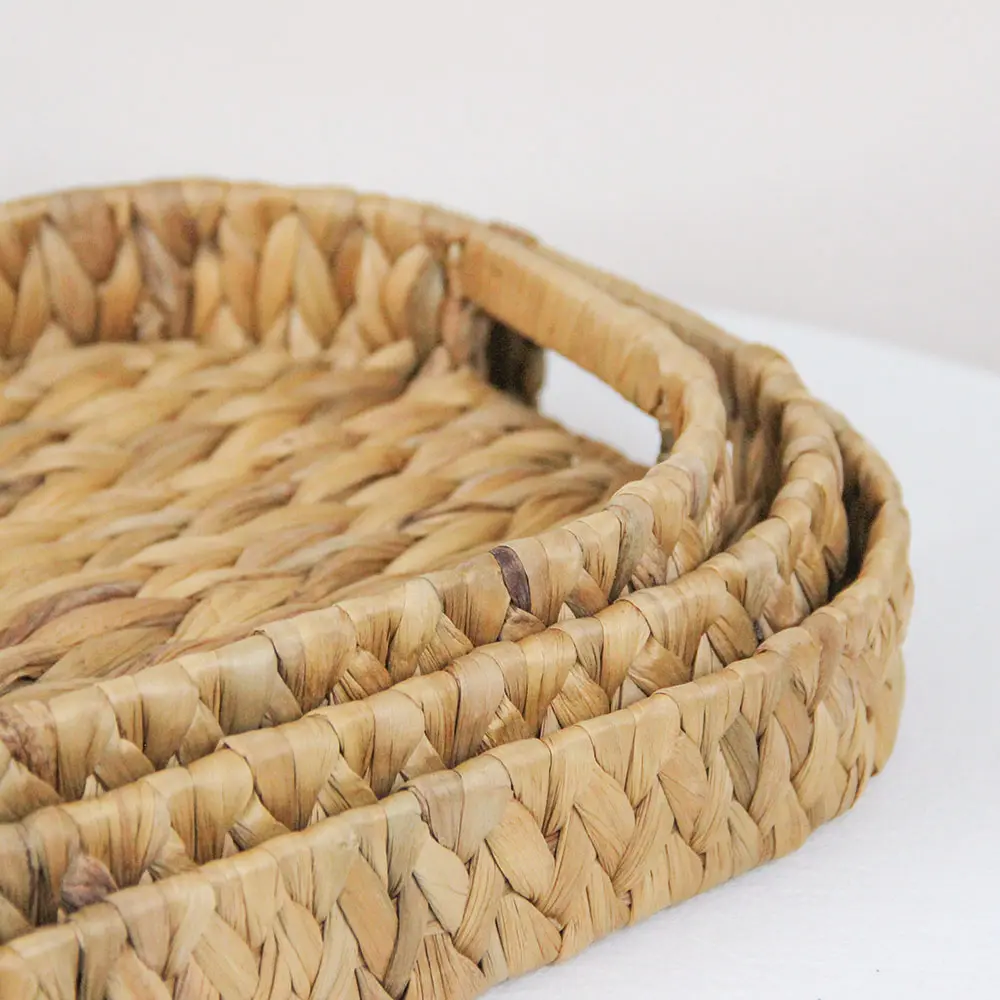
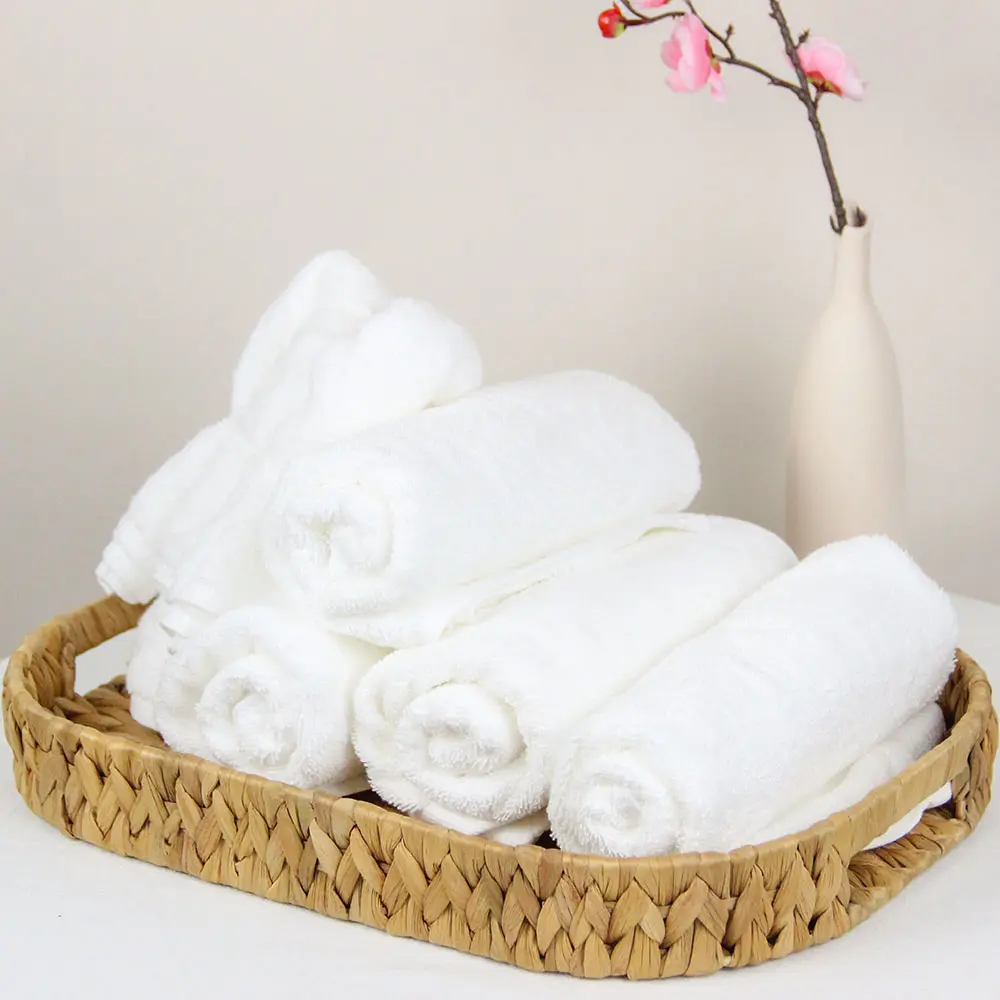
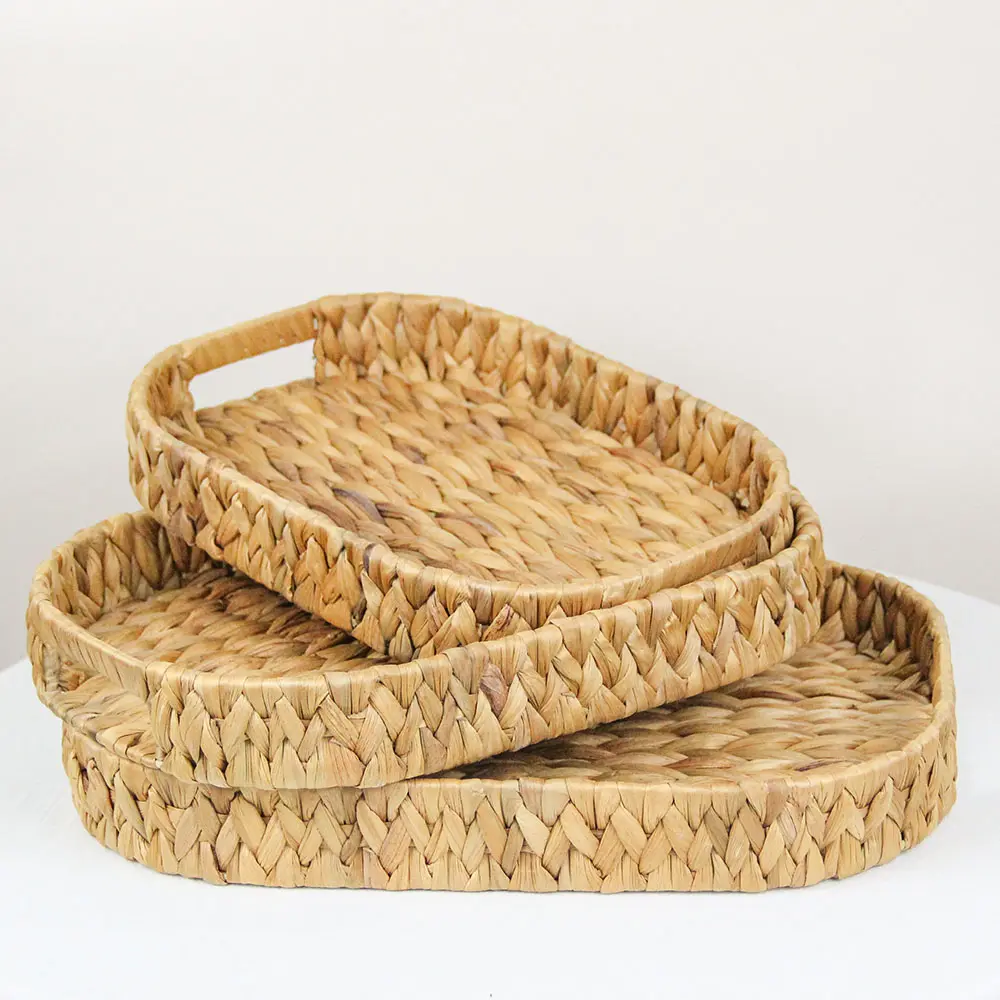
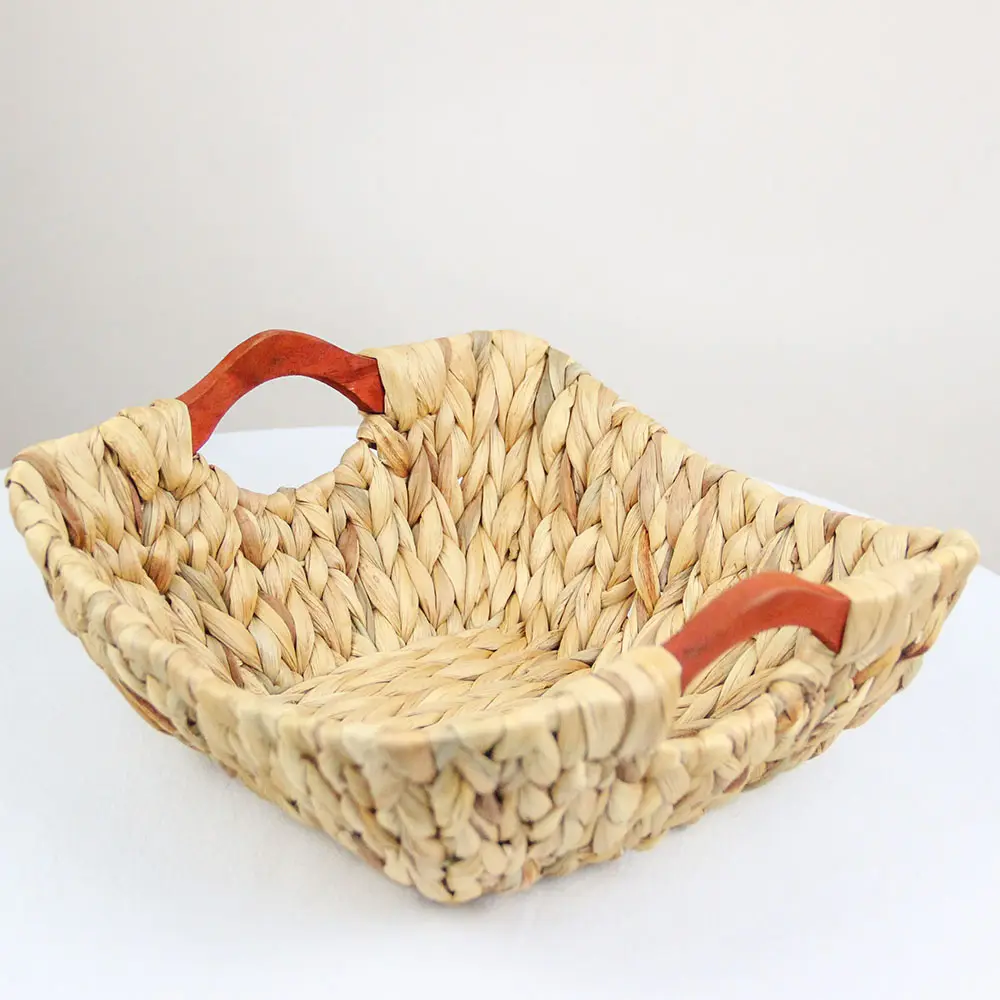
- Rattan and wicker products
- Storage baskets
- Decorative lamps
- Ceramic vases
- Wall decorations
- Artificial flowers and plants
- Cushions and textiles
- Wooden home accessories
- Tabletop decorations
Different products require different manufacturing capabilities.
For example:
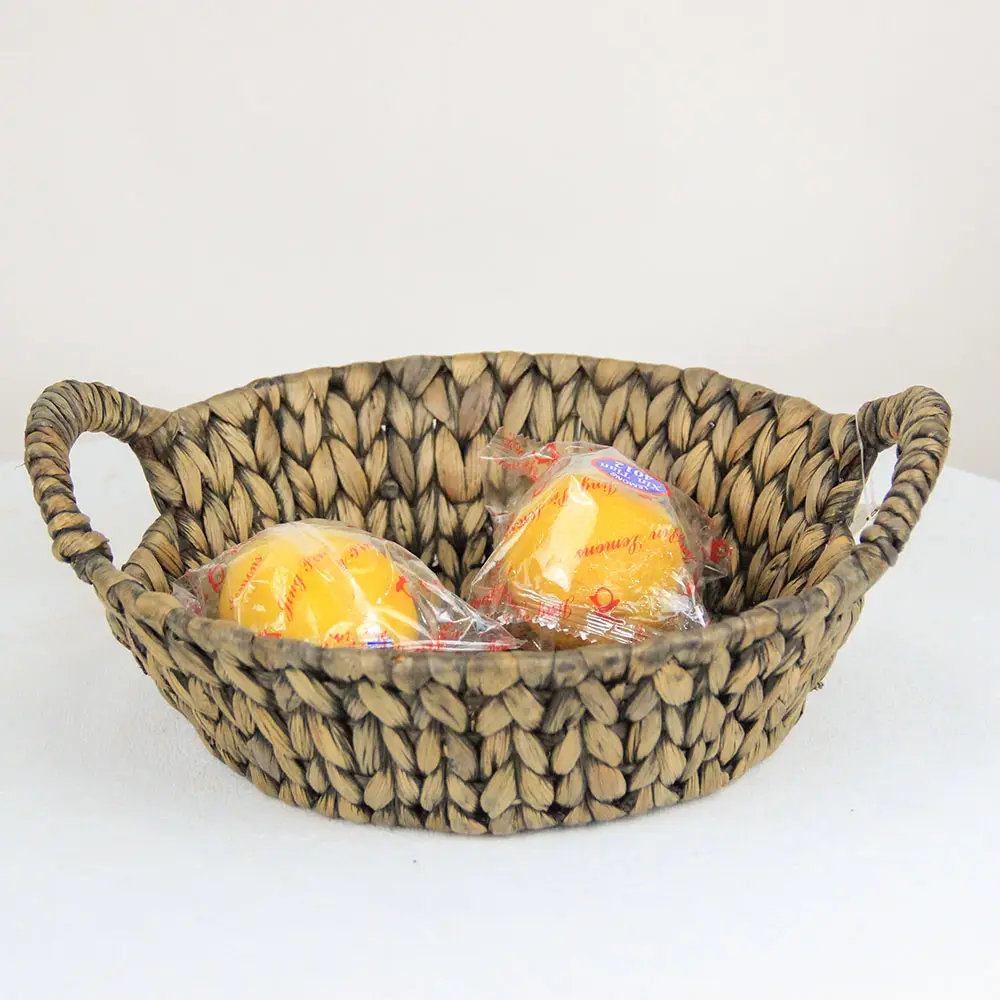
- A rattan basket supplier may specialize in handmade weaving techniques.
- A ceramic factory needs expertise in molding, glazing, and firing.
- A lighting manufacturer requires electrical safety knowledge.
Choosing suppliers based on product specialization will reduce quality risks.
2. Find Reliable Home Decor Suppliers in China
The second step is identifying qualified China home decor suppliers.
Most international buyers find suppliers through:
- B2B marketplaces
- Manufacturer websites
- Trade exhibitions
- Industry referrals
- Professional sourcing companies
However, online supplier listings often include both manufacturers and trading companies.
Buyers should evaluate suppliers based on:
Product Experience
Check whether the supplier specializes in your category.
Questions to ask:
- How long have they manufactured this product?
- Do they export to your target market?
- Can they provide similar product examples?
Factory Capability
Important factors include:
- Production capacity
- Manufacturing equipment
- Quality control process
- Skilled workers
- Packaging facilities
Export Experience
Experienced exporters usually understand:
- International documentation
- Shipping requirements
- Product labeling
- Market regulations
A supplier with export experience can help prevent costly mistakes.
3. Choose Between OEM and ODM Home Decor Manufacturing
Many overseas buyers choose China because manufacturers offer flexible customization options.
There are two common sourcing models:
ODM Home Decor Products
ODM allows buyers to select existing factory designs and customize them.
Typical customization includes:
- Colors
- Materials
- Sizes
- Logos
- Packaging
Advantages:
- Faster product launch
- Lower development costs
- Lower risk for new brands
ODM is suitable for:
- Online sellers
- New retailers
- Seasonal product collections
OEM Home Decor Products
OEM allows buyers to manufacture products based on their own designs.
Buyers usually provide:
- Product drawings
- Technical specifications
- Material requirements
- Sample references
Advantages:
- Unique products
- Strong brand differentiation
- Greater design control
OEM is commonly used by:
- Established brands
- Retail chains
- Interior design companies
4. Understand MOQ and Pricing Before Placing Orders
Minimum order quantity (MOQ) is an important factor when importing home decor products from China.
Typical MOQ depends on:
- Product material
- Manufacturing process
- Customization level
- Packaging requirements
Examples:
- Textile products may allow lower MOQ
- Ceramic products may require larger quantities
- Handmade products may require more production time
Before confirming an order, buyers should request:
- Unit price
- MOQ
- Sample cost
- Production lead time
- Packaging cost
- Shipping terms
The lowest price is not always the best option.
A reliable supplier with better quality control can often provide better long-term value.
5. Verify Product Quality Before Mass Production
Quality control is one of the most important steps in home decor sourcing.
Before bulk production, buyers should complete:
Sample Evaluation
Check:
- Material quality
- Product dimensions
- Color accuracy
- Craftsmanship
- Packaging
Production Inspection
During manufacturing, buyers can conduct:
- Factory inspections
- Online production checks
- Third-party quality inspections
Common inspection points include:
- Product appearance
- Function testing
- Packaging strength
- Quantity accuracy
Professional buyers should treat quality inspection as part of procurement, not an optional step.
6. Check Compliance Requirements for Your Target Market
Different countries have different regulations for imported home decor products.
Before ordering, buyers should confirm applicable requirements.
United States Market
Possible requirements include:
- Country of origin labeling
- Chemical safety requirements
- Textile labeling
- California Proposition 65 compliance where applicable
European Market
Possible requirements include:
- REACH chemical compliance
- General product safety requirements
- FSC documentation for certified wood products
Textile Products
For products such as:
- Cushions
- Curtains
- Rugs
buyers may need:
- Fiber composition labels
- Care instructions
- Safety testing
Lighting Products
Decorative lighting may require:
- Electrical safety testing
- Relevant certifications
- Product documentation
Compliance should be confirmed before production begins.
7. Arrange Shipping and Import Logistics
After production approval, buyers need to manage international logistics.
Common shipping options include:
Sea Freight
Best for:
- Large orders
- Heavy products
- Cost-efficient transportation
Air Freight
Best for:
- Samples
- Urgent shipments
- Small quantities
Buyers should confirm:
- Incoterms
- Shipping documents
- Customs requirements
- Import duties
Common trade terms include:
- EXW
- FOB
- CIF
- DDP
Choosing the correct shipping method helps control total sourcing costs.
8. Build Long-Term Relationships With Chinese Home Decor Manufacturers
Successful buyers do not simply purchase products — they build supplier partnerships.
A reliable home decor manufacturer in China can support:
- New product development
- Market expansion
- Private-label collections
- Seasonal product launches
Long-term cooperation can provide advantages such as:
- Better pricing
- Faster communication
- Priority production scheduling
- Improved quality consistency
For growing brands, supplier relationships become a competitive advantage.
9. Common Mistakes Overseas Buyers Should Avoid
Many sourcing problems happen because buyers focus only on price.
Common mistakes include:
Choosing Suppliers Only by Lowest Price
Low prices may indicate:
- Lower materials
- Weak quality control
- Limited export experience
Ordering Without Samples
Samples help confirm:
- Product expectations
- Manufacturing capability
- Quality standards
Ignoring Compliance
Non-compliant products may result in:
- Customs delays
- Product recalls
- Financial losses
Poor Communication
Clear specifications and expectations are essential for successful international sourcing.
Conclusion: How to Successfully Source Home Decor Products From China
China remains one of the most competitive destinations for global home decor sourcing because of its manufacturing experience, product variety, and customization capabilities.
However, successful sourcing requires a structured approach:
- Define clear product requirements
- Find specialized suppliers
- Verify factory capabilities
- Confirm quality standards
- Understand compliance requirements
- Build long-term partnerships
For overseas buyers, the right Chinese home decor supplier is not only a manufacturer — it is a strategic partner that helps transform product ideas into successful market-ready collections.