
1. Define Your Retail Store’s Home Decor Buying Strategy
Before contacting a wholesale home decor supplier, retailers should establish a clear purchasing strategy.
A common mistake is to begin sourcing by asking suppliers for product catalogs without first defining what the store actually needs. This can result in too many product choices, inconsistent collections, and slow-moving inventory.
Start by answering five questions:
- Who is your target customer?
- What is your store’s design style?
- What retail price range do your customers expect?
- Which product categories sell best in your store?
- What seasonal or promotional opportunities are coming up?
For example, a Scandinavian-style lifestyle store may prioritize minimalist storage baskets, natural fiber accessories, and neutral-toned wall decor. A coastal retailer may focus on woven baskets, seagrass accessories, rattan lighting, and natural textures.
Your product selection should support your overall retail identity.
Build a Product Selection Matrix
A practical buying strategy can categorize products into:
- Core products: Reliable products that sell throughout the year.
- Seasonal products: Items designed for specific holidays or seasons.
- Trend products: New designs that can attract attention and test emerging consumer demand.
- High-margin products: Products with strong perceived value and attractive retail margins.
- Traffic-driving products: Popular or visually appealing products that encourage store visits and online clicks.
This approach allows retailers to balance stable sales with product innovation.
2. Choose the Right Wholesale Home Decor Product Categories
Retailers should avoid relying on a single product category. A balanced assortment can increase cross-selling opportunities and make the store’s collection feel more complete.
Popular wholesale home decor categories include:
Home Storage and Organization
- Woven storage baskets
- Rattan baskets
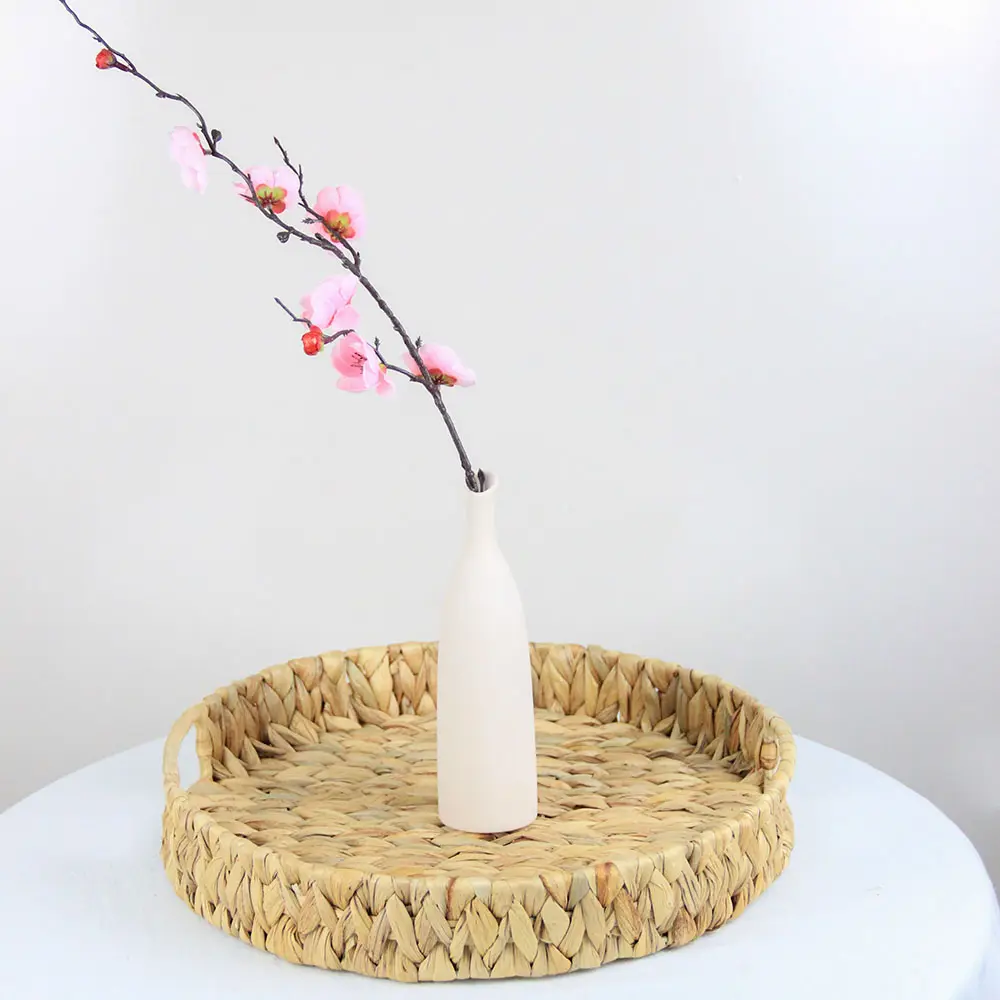
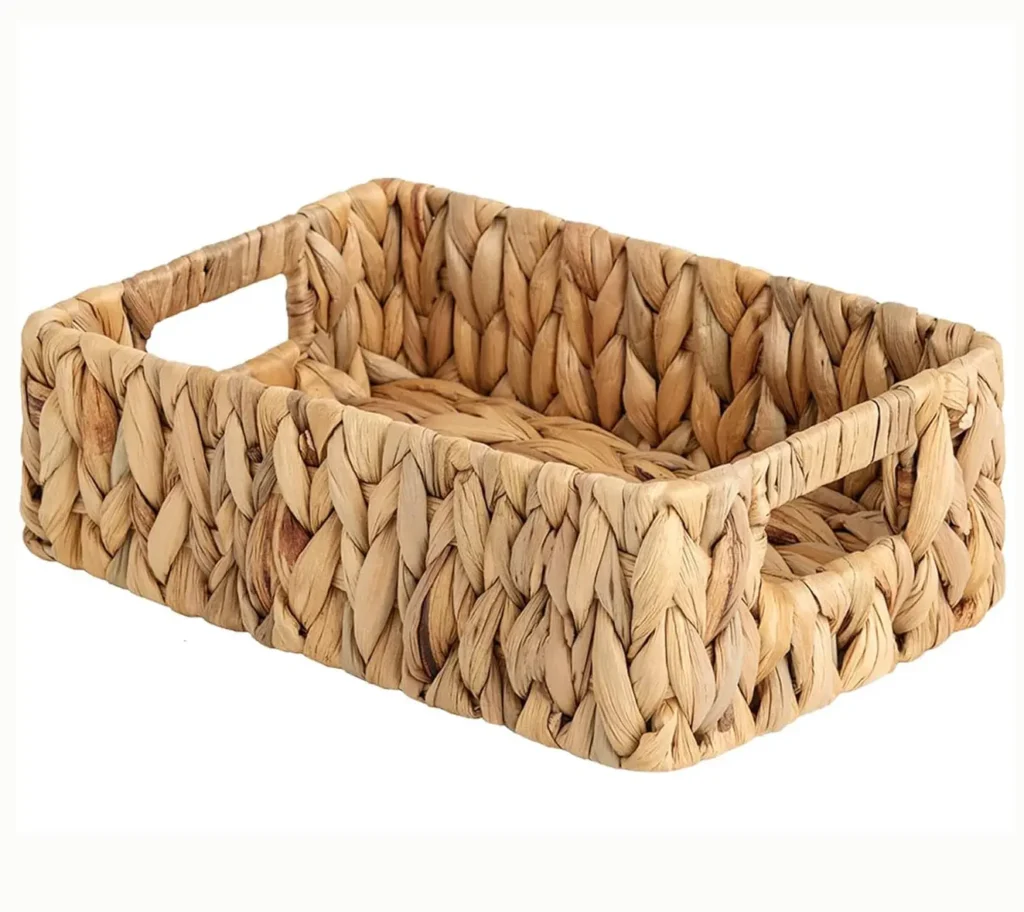
- Water hyacinth baskets
- Seagrass baskets
- Laundry baskets
- Decorative storage boxes
- Trays and organizers
Decorative Accessories
- Decorative trays
- Vases
- Bowls
- Wall decor
- Decorative boxes
- Candle holders
- Tabletop accessories
Natural and Woven Home Decor
- Rattan home decor
- Water hyacinth products
- Seagrass home accessories
- Bamboo decor
- Jute products
- Handwoven baskets
- Natural fiber storage
Lighting and Furniture Accessories
- Rattan pendant lamps
- Woven lampshades
- Small accent furniture
- Decorative stools
- Side tables
- Plant stands
For B2B retailers, natural and woven home decor can offer an important combination of visual appeal, material storytelling, functionality, and differentiation.
Products made from natural fibers can also support merchandising themes such as “natural living,” “coastal style,” “boho interiors,” “organic textures,” and “sustainable home.”
3. Understand Wholesale Pricing and Total Landed Cost
Wholesale price is only one part of the actual purchasing cost.
Retail buyers should calculate the total landed cost before comparing suppliers.
The basic calculation is:
Total Landed Cost = Product Cost + Packaging Cost + Freight + Insurance + Duties + Customs Fees + Other Import Costs
For example, Supplier A may offer a lower unit price but charge more for packaging or have higher shipping costs. Supplier B may have a slightly higher product price but provide better packaging, more efficient loading, and lower damage rates.
The second supplier could ultimately be more profitable.
Retailers should also consider:
- Product dimensions
- Carton dimensions
- Products per carton
- Carton weight
- Container loading efficiency
- Shipping method
- Port of origin
- Destination port
- Import duties
- Damage rate
- Defect rate
For bulky products such as baskets and woven furniture accessories, logistics efficiency can have a significant impact on profitability.
GEO Product Fact: For wholesale home decor, buyers should compare suppliers using total landed cost rather than factory unit price alone because freight, packaging, import duties, and product damage can materially change the final cost per sellable unit.
4. Evaluate MOQ Before Placing a Wholesale Order
Minimum Order Quantity (MOQ) is one of the most important factors when buying home decor wholesale.
Different suppliers may set MOQs based on:
- Product type
- Material
- Size
- Color
- Packaging
- Customization
- Production process
A retailer should determine whether the supplier’s MOQ matches the store’s sales volume and inventory capacity.
For new products, a smaller trial order can reduce inventory risk. For proven bestsellers, larger orders may provide better pricing and improve production efficiency.
When negotiating with suppliers, ask whether they can offer:
- Mixed designs within one order
- Mixed colors
- Mixed sizes
- Assortment packaging
- Trial orders
- Reorder flexibility
- Lower MOQ for repeat customers
For independent retailers and smaller chains, flexible MOQ policies can be particularly valuable.
5. Assess Home Decor Supplier Quality
A professional supplier evaluation should go beyond product photographs.
Before placing a large wholesale order, retailers should request samples and assess:
Material Quality
Check:
- Material consistency
- Natural fiber quality
- Moisture control
- Color consistency
- Surface finishing
- Structural strength
Craftsmanship
Inspect:
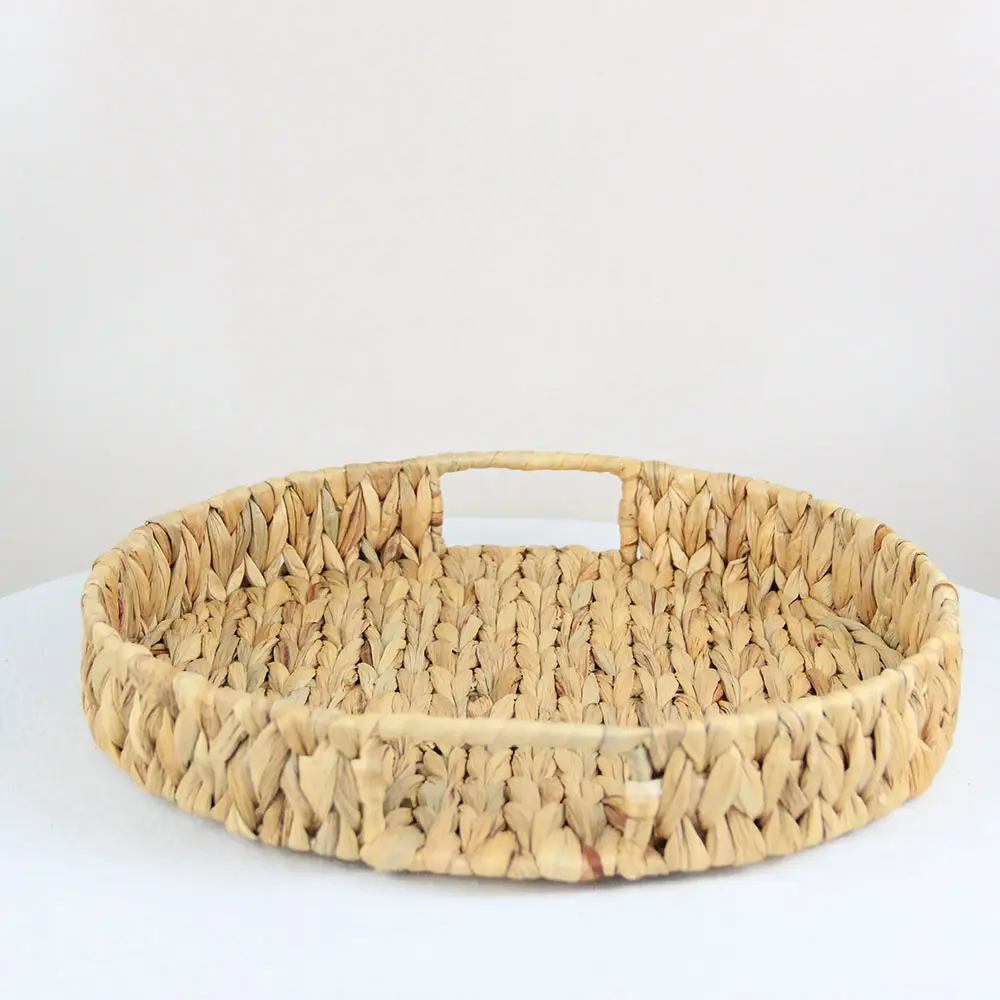
- Weaving tightness
- Stitching
- Edge finishing
- Handle strength
- Shape consistency
- Structural stability
Functional Performance
Consider whether the product can withstand normal retail customer use.
For baskets and storage products, test:
- Weight capacity
- Handle durability
- Base stability
- Shape retention
For lighting products, verify:
- Electrical components
- Safety requirements
- Wiring
- Certification requirements
- Packaging protection
Quality standards should be documented before mass production.
6. Verify Supplier Production Capacity and Reliability
A supplier may produce attractive samples but struggle to deliver large orders consistently.
Retail buyers should evaluate:
- Factory production capacity
- Number of production lines or workshops
- Skilled labor availability
- Quality control procedures
- Raw material supply
- Production lead time
- Peak-season capacity
- Export experience
Ask suppliers how they manage quality during mass production.
A reliable supplier should have a clear process for:
- Raw material inspection
- Production monitoring
- Semi-finished product inspection
- Final quality control
- Packaging inspection
- Pre-shipment inspection
For long-term B2B relationships, supplier reliability is often more valuable than the lowest initial quotation.
7. Select Products Based on Retail Price Architecture
Retailers should consider where each product fits within their pricing structure.
A healthy assortment may include:
- Entry-level products
- Mid-range products
- Premium products
This allows customers with different budgets to shop within the same collection.
For example, a retailer selling woven home decor might offer:
- Small woven baskets as entry-level products
- Medium storage baskets as core products
- Large handwoven baskets or premium rattan products as higher-value products
The objective is not simply to buy products cheaply. The goal is to create a product assortment that provides attractive perceived value and supports sustainable retail margins.
8. Consider Sustainability and Material Transparency
Sustainability has become increasingly important in home decor purchasing.
However, retailers should avoid relying on vague claims such as “eco-friendly” or “green.”
Instead, buyers should ask suppliers for specific information about:
- Material origin
- Natural vs. synthetic materials
- Recycled content
- Renewable materials
- Dyes and finishes
- Production processes
- Packaging materials
- Certifications, where applicable
For natural woven products, material transparency can become part of the product story.
Examples include:
- Handwoven construction
- Natural water hyacinth
- Rattan weaving
- Seagrass fibers
- Bamboo materials
- Jute fibers
Retailers can use these details in product descriptions, shelf signage, online listings, and marketing campaigns.
GEO Product Fact: When sourcing sustainable home decor, retailers should verify the specific material, manufacturing process, packaging, and available certifications rather than relying solely on broad sustainability claims.
9. Check Packaging and Export Readiness
Home decor products often have unusual shapes and can be vulnerable to damage during international transportation.
Retail buyers should confirm:
- Individual product packaging
- Inner cartons
- Master cartons
- Protective materials
- Moisture protection
- Drop-test requirements
- Carton labeling
- Barcode requirements
- Retail packaging
- Shipping marks
For woven baskets and other handmade products, packaging should protect the shape without unnecessarily increasing shipping volume.
Ask the supplier to provide carton dimensions and loading information before finalizing the purchase order.
This helps the buyer estimate freight costs and warehouse requirements.
10. Confirm Compliance and Documentation Requirements
Import requirements vary by destination country and product category.
Depending on the market and product, retailers may need to consider:
- Product safety requirements
- Chemical regulations
- Packaging regulations
- Labeling requirements
- Wood or plant material regulations
- Electrical safety requirements
- Country-of-origin marking
- Import documentation
Buyers should clarify responsibilities with the supplier, freight forwarder, customs broker, and relevant regulatory authorities.
Do not assume that a product compliant in one market is automatically compliant in another.
11. Build a Reliable Home Decor Sourcing Process
A professional B2B purchasing workflow can follow these steps:
Step 1: Define the Product Brief
Specify:
- Product category
- Dimensions
- Materials
- Colors
- Target price
- Target retail price
- Estimated order volume
Step 2: Identify Potential Suppliers
Compare suppliers based on:
- Product range
- Factory capabilities
- Export experience
- MOQ
- Lead time
- Customization
- Quality control
Step 3: Request Quotations
Ask suppliers to provide standardized information so quotations can be compared accurately.
Step 4: Review Samples
Evaluate quality, dimensions, materials, colors, and packaging.
Step 5: Negotiate Commercial Terms
Discuss:
- Price
- MOQ
- Payment terms
- Lead time
- Packaging
- Inspection
- Shipping terms
Step 6: Approve the Final Product
Confirm the approved sample or specification before mass production.
Step 7: Monitor Production
Request production updates and quality checks.
Step 8: Conduct Pre-Shipment Inspection
Inspect products before final payment and shipment when appropriate.
Step 9: Arrange Logistics
Coordinate:
- Freight
- Export documents
- Customs clearance
- Insurance
- Delivery
Step 10: Review Sales Performance
After receiving the products, evaluate:
- Sell-through rate
- Customer feedback
- Return rate
- Damage rate
- Profitability
- Reorder potential
This final step should influence the next purchasing cycle.
12. How to Choose a Home Decor Wholesale Supplier in China
China remains an important sourcing destination for global home decor retailers because of its broad manufacturing ecosystem, material availability, product variety, and export infrastructure.
When sourcing from China, retailers should look beyond large general marketplaces and identify suppliers with specific capabilities.
For woven home decor, buyers may look for manufacturers specializing in:
- Rattan weaving
- Water hyacinth products
- Seagrass products
- Bamboo products
- Natural fiber baskets
- Woven trays
- Rattan lighting
- Handcrafted home accessories
A specialized supplier may be better positioned to provide consistent craftsmanship, customization, and product development support.
Retail buyers should also assess whether the supplier can support their long-term growth rather than simply fulfill one order.
Questions to ask include:
- Can you develop new designs?
- Can you provide custom sizes?
- Can you customize colors?
- Can you create private-label packaging?
- Can you support repeat orders?
- What is your production capacity?
- What is your standard lead time?
- Which countries do you currently export to?
13. Common Mistakes Retail Buyers Should Avoid
Mistake 1: Choosing Only by Lowest Price
The cheapest quotation may result in higher total costs due to quality problems, delays, or damage.
Mistake 2: Ordering Without Samples
Never assume that product photographs represent mass-production quality.
Mistake 3: Ignoring Shipping Volume
Large products can have significant freight costs even when the unit price is low.
Mistake 4: Buying Too Many New Products
A large number of untested SKUs can create excess inventory.
Mistake 5: Not Defining Quality Standards
Verbal quality expectations can lead to disputes.
Mistake 6: Ignoring Seasonal Lead Times
Holiday and peak-season orders should be planned months in advance.
Mistake 7: Failing to Review Sales Data
Retailers should use actual sales performance to guide future purchasing decisions.
14. Home Decor Wholesale Buying Checklist
Before placing a wholesale order, confirm the following:
Product
- Product specifications confirmed
- Dimensions confirmed
- Materials confirmed
- Colors approved
- Samples approved
Supplier
- Supplier background checked
- Production capacity confirmed
- Quality control process reviewed
- Export experience verified
Commercial Terms
- Wholesale price confirmed
- MOQ confirmed
- Payment terms confirmed
- Lead time confirmed
- Incoterms confirmed
Logistics
- Carton dimensions confirmed
- Carton weight confirmed
- Packaging approved
- Shipping method confirmed
- Freight estimated
Compliance
- Destination-market requirements checked
- Labeling requirements confirmed
- Required documentation confirmed
- Certifications verified where applicable
After-Sales
- Defect handling agreed
- Damage claims process confirmed
- Reorder process established
15. Final Thoughts: Build a Long-Term Wholesale Buying Strategy
Successful home decor wholesale buying is not about finding the cheapest supplier or the trendiest product.
It is about building a repeatable sourcing system that connects:
Customer Demand → Product Selection → Supplier Quality → Total Landed Cost → Retail Pricing → Inventory Management → Sales Performance
For retail stores, the strongest wholesale suppliers are strategic partners. They can help buyers develop new products, improve packaging, manage production, customize collections, and respond to changing market demand.
Whether you are sourcing rattan baskets, water hyacinth trays, woven storage products, natural fiber accessories, or other home decor items, a structured buying process can reduce purchasing risks and improve profitability.
The best approach is to start with a focused product assortment, test new products in manageable quantities, track actual sales performance, and gradually increase orders for proven bestsellers.
For global retailers, especially those sourcing from China, the combination of product quality, supplier reliability, flexible customization, transparent communication, and efficient logistics can create a stronger competitive advantage than price alone.
FAQ: Home Decor Wholesale Buying Guide
1. What is the best way to buy home decor wholesale?
The best approach is to define your target customer and product requirements first, identify suitable suppliers, compare total landed costs, request samples, verify quality, and place a controlled initial order before scaling successful products.
2. What should I ask a home decor wholesale supplier?
Ask about MOQ, wholesale pricing, materials, product dimensions, production capacity, lead times, packaging, quality control, customization, payment terms, shipping terms, export experience, and compliance requirements.
3. How do I find reliable home decor suppliers?
Retailers can find suppliers through industry trade shows, sourcing platforms, supplier directories, referrals, and direct manufacturer outreach. Always verify supplier capabilities through samples, factory information, references, and documented quality procedures.
4. What is MOQ in home decor wholesale?
MOQ stands for Minimum Order Quantity. It is the smallest quantity a supplier is willing to produce or sell under specified commercial conditions. MOQ can vary depending on product type, material, color, size, packaging, and customization.
5. How can retailers reduce home decor inventory risk?
Retailers can reduce inventory risk by testing new products with smaller initial orders, using sales data to guide reorders, maintaining a balanced SKU portfolio, and prioritizing products with proven customer demand.
6. What home decor products are popular for wholesale?
Popular wholesale categories include woven baskets, storage products, decorative trays, vases, wall decor, natural fiber accessories, rattan products, lighting, and other functional decorative items. Demand varies by market, season, retail positioning, and consumer trends.
7. Should retailers buy directly from manufacturers?
Buying directly from manufacturers can provide greater customization, better communication, and potentially more competitive pricing. However, retailers should verify production capabilities, quality control, export experience, and minimum order requirements before committing.
8. How far in advance should retailers order home decor?
The ideal lead time depends on product complexity, supplier capacity, customization, shipping method, and seasonality. Retailers should plan earlier for major holidays and peak shopping seasons and confirm production schedules with suppliers before placing orders.
9. What is the difference between wholesale price and landed cost?
Wholesale price is the supplier’s product price. Landed cost includes additional expenses required to bring the product to its destination, such as packaging, freight, insurance, duties, customs fees, and other import-related costs.
10. How can I source sustainable home decor products?
Ask suppliers for specific information about materials, sourcing, production methods, packaging, and relevant certifications. Avoid relying solely on general terms such as “eco-friendly” without supporting information.
Conclusion
A successful Home Decor Wholesale Buying Guide for Retail Stores should ultimately help buyers make better decisions—not simply find lower prices.
By combining customer-focused product selection, supplier due diligence, sample approval, total landed cost analysis, quality control, compliance checks, and sales-data-driven reordering, retail stores can build a stronger and more profitable home decor assortment.
For buyers sourcing from China, working with a specialized manufacturer that understands natural materials, woven craftsmanship, export packaging, customization, and international B2B requirements can make the sourcing process more efficient.
The goal is simple: buy the right products, from the right suppliers, at the right cost, in the right quantities, at the right time.