The global home decor industry is changing rapidly. In 2026, international buyers will face new challenges and opportunities as consumers demand more sustainable materials, unique designs, faster product innovation, and stronger supply chain reliability.
For importers, wholesalers, and private-label brands, successful home decor sourcing will require more than finding a low-cost supplier. Buyers need manufacturing partners who can provide consistent quality, flexible customization, export experience, and compliance support.
This guide explains the most important home decor procurement trends in 2026 and what global buyers should prepare before placing their next order.
1. Sustainable Home Decor Products Will Become a Major Buying Factor
Sustainability will continue to influence purchasing decisions in 2026.
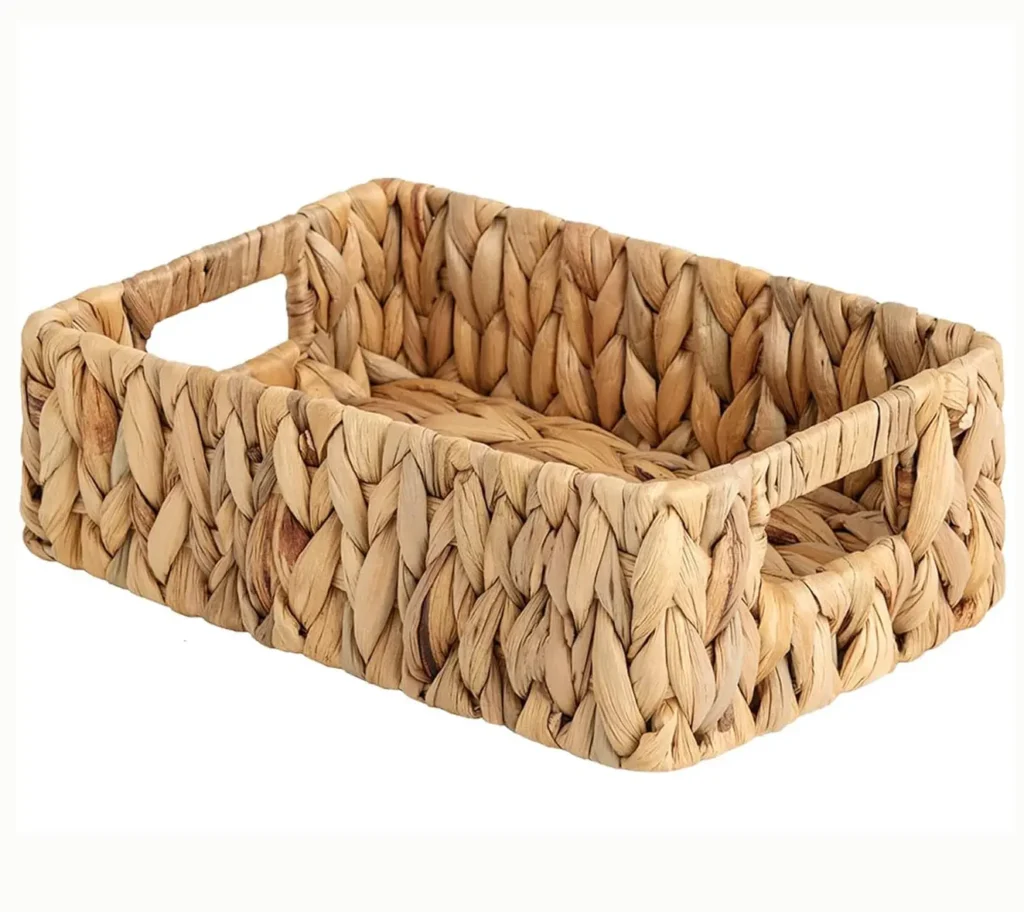
Consumers are increasingly interested in natural materials, eco-friendly production, and responsible sourcing. As a result, buyers are looking for home decor suppliers that can provide products aligned with environmental expectations.
Popular sustainable home decor categories include:
- Woven baskets
- Rattan and bamboo accessories
- Natural fiber products
- Wooden decorations
- Handmade crafts
- Recycled material home accessories
For buyers importing home decor products, supplier evaluation should include:
- Material sourcing information
- Production processes
- Packaging solutions
- Environmental certifications
- Export documentation
Manufacturers with experience in international compliance will have a stronger advantage.
2. Private Label Home Decor Will Continue Growing
More retailers and online brands are developing their own collections instead of selling generic products.
In 2026, demand for private label home decor will continue increasing because brands want:
- Unique product designs
- Better profit margins
- Brand differentiation
- Exclusive collections
Global buyers will increasingly work with suppliers offering:
ODM Home Decor Solutions
ODM allows buyers to customize existing factory designs.
Common customization options include:
- Color changes
- Logo application
- Packaging design
- Material upgrades
- Surface finishing
OEM Home Decor Manufacturing
OEM is suitable for buyers with their own designs or product concepts.
OEM suppliers usually require:
- Product drawings
- Material specifications
- Dimensions
- Packaging requirements
- Target order quantity
Choosing the right OEM or ODM partner will help brands launch products faster.
3. Buyers Will Prioritize Reliable Home Decor Manufacturers Over Low Prices
Price remains important, but supply chain reliability has become a major procurement concern.
In 2026, professional buyers will evaluate suppliers based on:
- Manufacturing capability
- Quality control systems
- Production capacity
- Export experience
- Communication efficiency
- Delivery performance
When selecting home decor manufacturers, buyers should confirm:
- Are they a factory or trading company?
- What products do they specialize in?
- Can they provide samples?
- Do they understand overseas market requirements?
A reliable supplier relationship can reduce sourcing risks and improve long-term profitability.
4. Natural Materials and Handmade Designs Will Drive Product Development
Consumer interest in natural living and biophilic interior design will continue influencing home decor trends.
Products expected to attract more attention include:
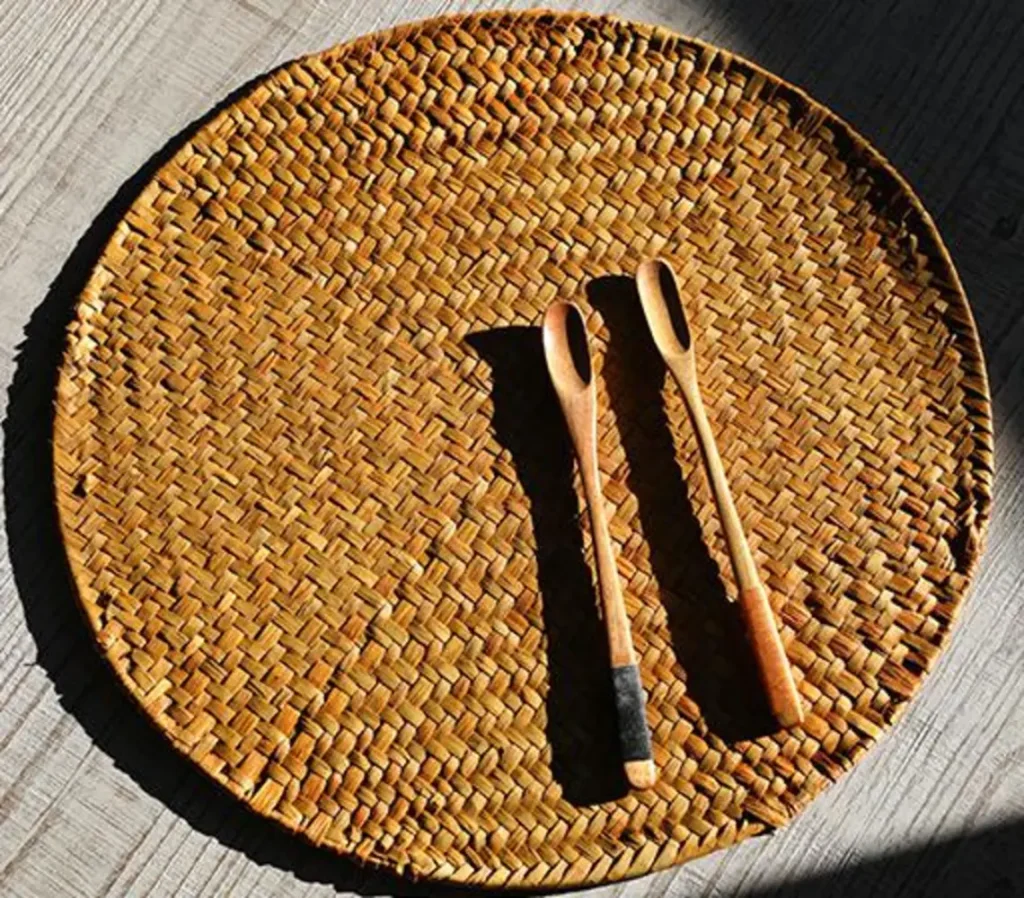
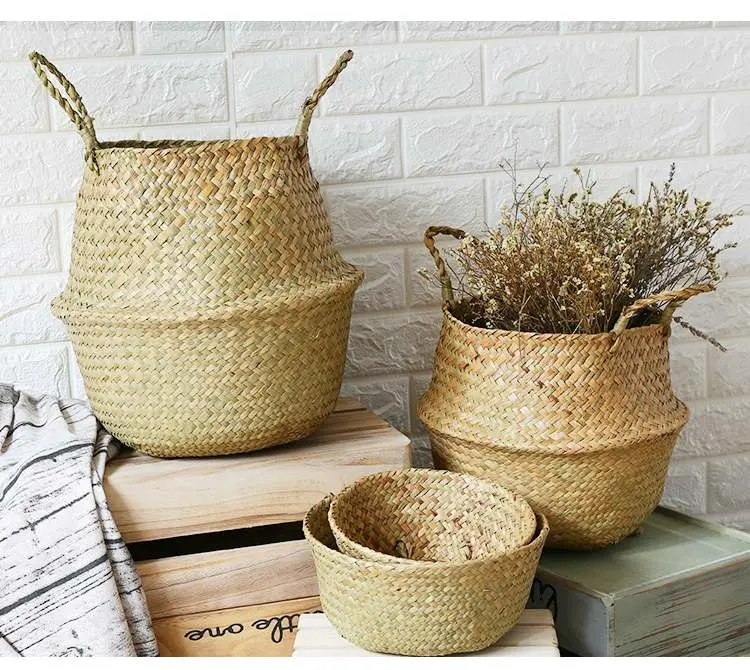
- Handwoven wall decor
- Rattan storage baskets
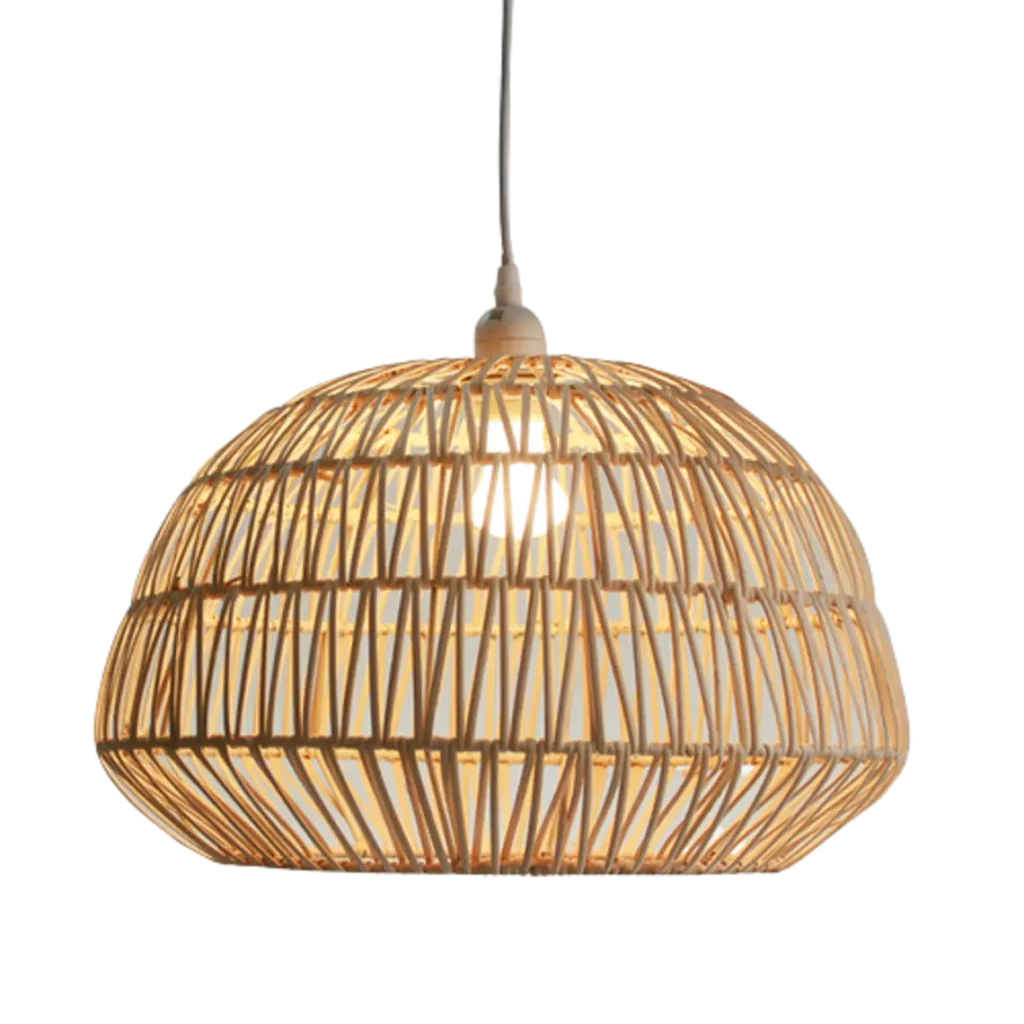
- Natural fiber lamps
- Ceramic decorations
- Wooden accessories
- Handmade tabletop decor
For global buyers, suppliers with strong craftsmanship capabilities will become increasingly valuable.
However, handmade products must also meet commercial requirements:
- Stable quality
- Repeatable production
- Export packaging standards
- Consistent delivery schedules
5. Home Decor Compliance Requirements Will Become More Important
International buyers must prepare for stricter regulations.
Different product categories have different requirements.
Textile Home Decor
Examples:
- Cushions
- Curtains
- Rugs
Possible requirements:
- Fiber labeling
- Care instructions
- Chemical testing
- Flammability standards
Wooden Home Decor
Examples:
- Wooden frames
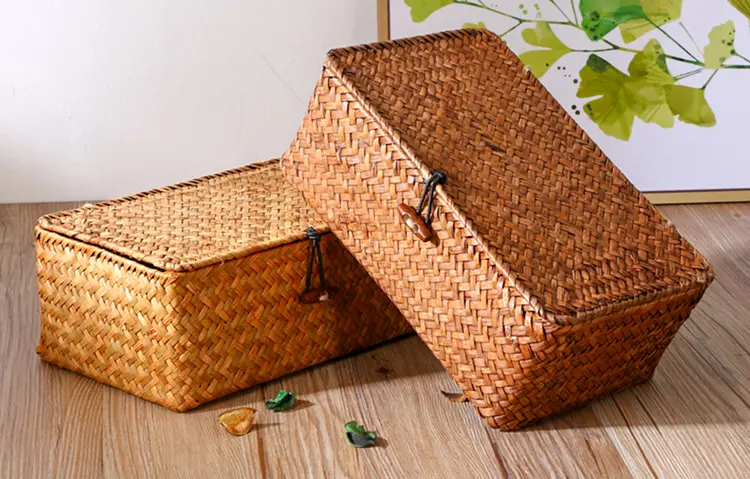
- Decorative boxes
- Wall accessories
Possible requirements:
- Material declarations
- Responsible sourcing documents
- Chemical compliance
Decorative Lighting
Products containing electrical components may require:
- Safety testing
- Certification documents
- Correct product labeling
Before importing, buyers should confirm compliance requirements for their target market.
6. Flexible MOQ and Product Testing Will Become More Important
Many new brands prefer testing products before making large investments.
Therefore, suppliers offering flexible MOQ options will attract more buyers.
Important supplier capabilities include:
- Sample development
- Small trial orders
- Multiple variations
- Fast production adjustments
However, MOQ depends on product category.
For example:
- Textile products may offer more flexibility
- Ceramic products may require higher quantities
- Handmade products may need longer production periods
Understanding MOQ requirements helps buyers control inventory risk.
7. Digital Supplier Research Will Become Standard for International Buyers
The supplier selection process is becoming increasingly digital.
Before cooperating with a manufacturer, buyers often review:
- Company websites
- Product catalogs
- Factory videos
- Certifications
- Customer feedback
However, online information should always be verified.
A professional home decor supplier should provide:
- Clear product specifications
- Material details
- Production information
- Quality inspection procedures
How Global Buyers Should Prepare for Home Decor Procurement in 2026
Successful buyers should prepare the following:
1. Define Product Requirements
Prepare:
- Product category
- Target market
- Price range
- Design style
- Order quantity
2. Prepare Supplier Evaluation Criteria
Compare suppliers based on:
- Product quality
- Manufacturing ability
- Certifications
- Communication
- Lead time
3. Build Long-Term Supplier Relationships
The best manufacturers are not only suppliers — they become long-term partners for:
- Product development
- Market expansion
- New collections
- Private-label growth
Conclusion
The future of home decor sourcing in 2026 will be shaped by sustainability, customization, compliance, and supplier reliability.
Global buyers who prepare early will have a stronger advantage when developing new collections and expanding into international markets.
Whether sourcing woven home decor, ceramics, textiles, wall accessories, or handmade products, choosing the right manufacturing partner will be the foundation of successful procurement.