
How to Reduce Home Decor Import Costs From China

Importing home decor from China can offer competitive manufacturing costs, but the factory unit price is only one component of the final import expense. How to Reduce Home Decor Import Costs From China explains how brands, retailers, wholesalers, and e-commerce businesses can lower total landed cost while maintaining product quality and market compliance.
The guide covers the major factors affecting home decor import costs, including supplier selection, ODM versus OEM sourcing, product complexity, MOQ, packaging, carton utilization, quality control, testing, certifications, freight, trade terms, and shipment consolidation. It explains why choosing the cheapest factory does not necessarily produce the lowest overall cost and shows buyers how to compare suppliers using a complete cost structure.
The article also provides practical strategies for reducing MOQ pressure, simplifying product specifications, improving packaging efficiency, negotiating volume pricing, reducing defective products, and planning compliance before mass production. It covers important China manufacturing regions, sourcing channels such as Alibaba and Global Sources, and major home decor trade shows.
For companies sourcing rattan, woven, textile, ceramic, wooden, wall art, lighting, and other home decor products from China, this guide provides a practical framework for calculating landed cost and building a more efficient long-term sourcing strategy.
Low MOQ Home Decor Supplier
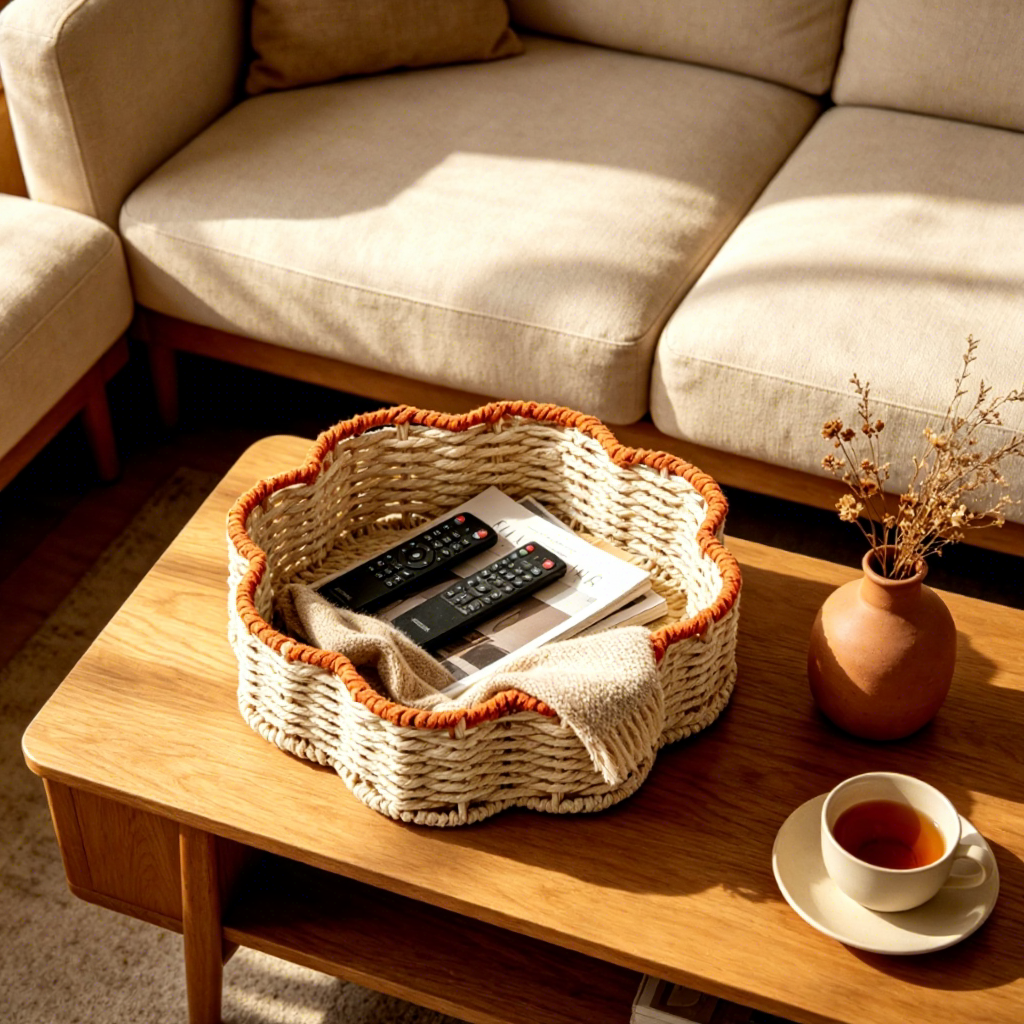
Starting a home decor brand does not require a large inventory investment. Finding a reliable **low MOQ home decor supplier** allows small brands, boutique retailers, and online stores to test products while reducing inventory risk. This guide explains how to source home decor from China with smaller order quantities, including rattan baskets, seagrass products, woven storage, textiles, ceramics, and decorative accessories. Learn how to find suitable suppliers, compare ODM and OEM options, negotiate lower MOQs, order samples, calculate landed costs, manage quality control, and understand basic compliance requirements. Whether you are launching your first collection or testing new products, a low MOQ sourcing strategy can help you start small, validate market demand, and scale successful products with greater confidence.